
We know you. We’ve seen you. You’ve spent the last 72 hours scrolling through Alibaba with 27 tabs open, trying to decipher if a supplier named “Best-Top-Garment-Factory-99” is actually legit. You order 100 t-shirts, say a quick prayer to the e-commerce gods, and hope—desperately—that they arrive at your door without holes in the armpits or a fit that looks like a cardboard square.
Spoiler alert: Cheap merch rarely builds a luxury brand.
If you want to stop being “the guy selling some tees with cool graphics” and start being a respected fashion brand, the secret isn’t just in the design. It’s in the base. It’s the blank.
The “Cotton Lottery” Problem
We all know the feeling. The supplier promises “100% Premium Cotton,” but what arrives feels like 80-grit sandpaper after the very first wash.
When you use low-quality blanks, you’re telling your customer: “Thanks for the money, but I don’t really expect you to wear this three months from now.” A real fashion brand focuses on longevity. It’s the difference between a shirt that ends up at the bottom of the pajama drawer and that favorite hoodie your customer wears until the threads fall off.
Pro Tip: In the fashion world, your reputation is only as strong as your weakest seam.
Why Choose Premium Blanks Made in Portugal?
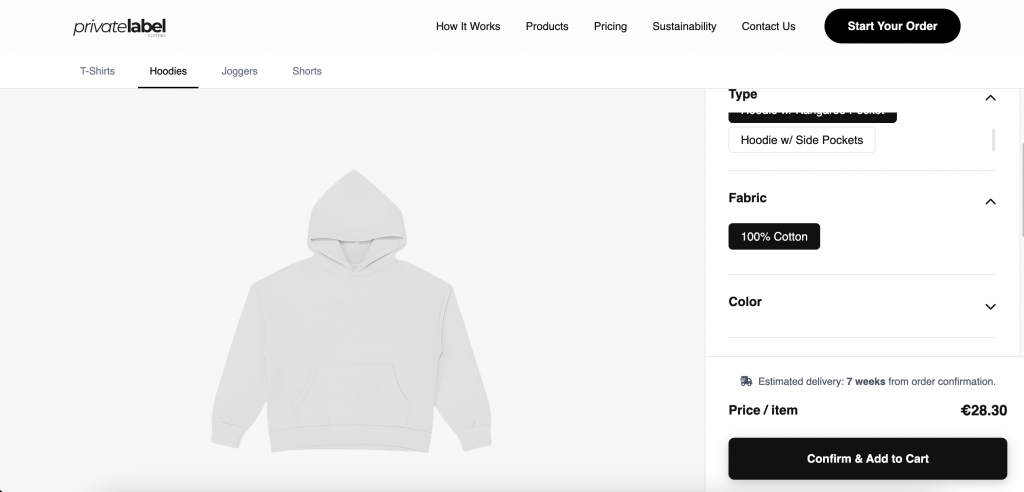
Portugal isn’t just about sunshine and custard tarts; it is the textile epicenter of Europe for high-end streetwear and luxury segments. By elevating your products with our curated selection at Private Label Clothes, you’re skipping the sourcing headaches:
1. The “Handfeel” Factor
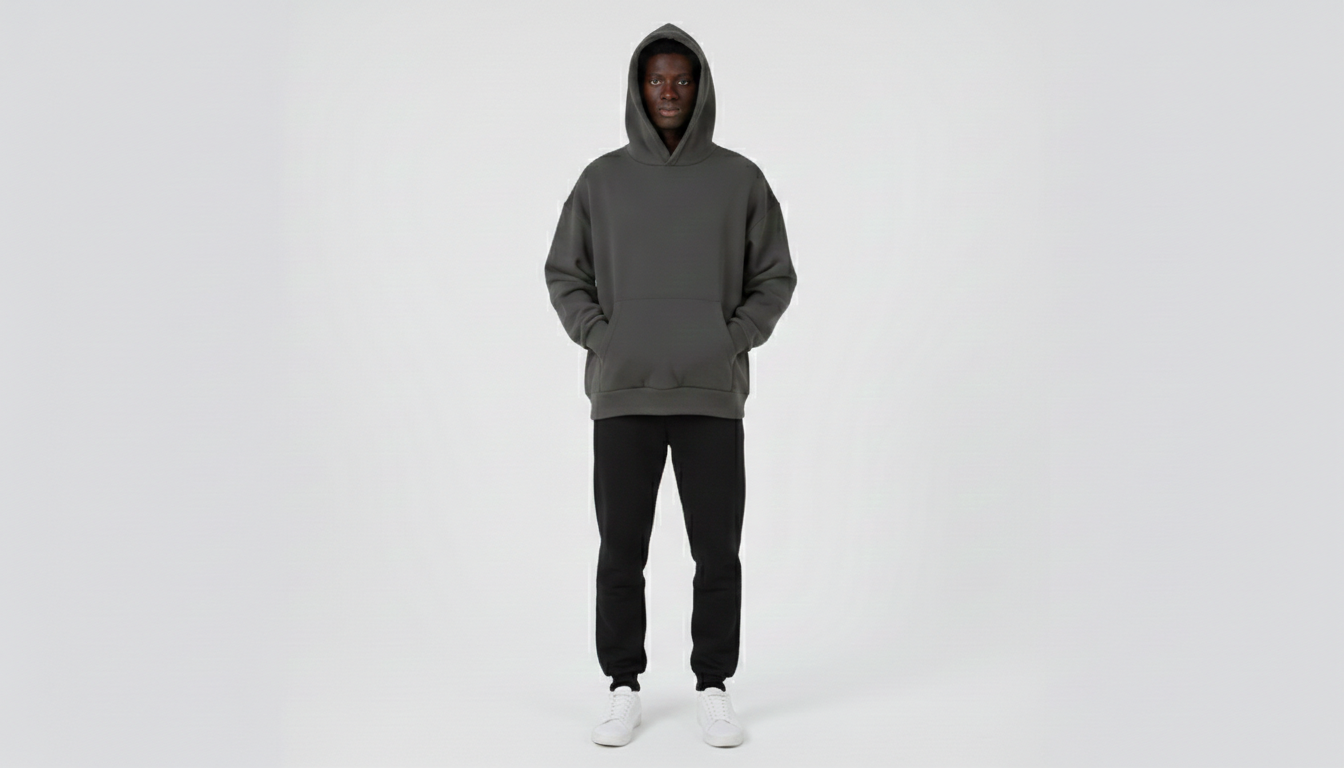
It’s not just cotton; it’s the GSM (grams per square meter). Our pieces use heavyweight cotton that holds its structure. When a customer pulls your t-shirt out of the mail and feels the weight of the fabric, the perceived value triples instantly.
2. European Fit vs. Random Fit
Forget those disproportionate cuts where the sleeves are too short and the body is too wide. Our patterns are developed for the modern market—perfectly draped oversized cuts, tight necklines that don’t sag, and reinforced stitching.
3. Ethics & Sustainability
Nowadays, “Made in Portugal” is a prestige label. It stands for ethical production, fair wages, and high environmental standards. It’s a massive selling point you can (and should) use to market your brand.
Customization: The Final Touch
Having the best blank in the world is 50% of the journey. The other 50% is how you make it yours. We’ve turned what used to be a logistical nightmare into a streamlined process:
- Custom Labels: We swap those generic tags for your own brand identity—whether it’s white satin care labels or high-def neck prints.
- High-Definition Prints & Embroidery: Where the fine details don’t disappear after a wash.
- Endless Pantone Possibilities: If you want that specific “Midnight Charcoal” shade, that’s exactly what you’ll get. No “close enough” colors here.
Conclusion: Stop Playing Russian Roulette with Suppliers
You can keep playing the sourcing lottery and hoping the logistics don’t fail you, or you can professionalize your production right now.
The transition from “Merch” to “Fashion Brand” happens the moment you decide that the quality of your product must be as good as the marketing behind it.
Ready to feel the difference of Portuguese textile excellence?
